


High-quality aggregates for every construction project
We produce aggregates (crushed rock, sand and gravel), ready-mixed concrete, asphalt, cement and cement related products, and recycled materials.
High-quality aggregates for every construction project
Heidelberg Materials produces high-quality primary, secondary, and recycled aggregates for all types of construction projects. Our aggregate range includes sands and gravels, and crushed rock materials, all suitable for use across the building sector.
We produce and distribute aggregates through a network of 50 quarries, depots and wharves. This includes Europe’s largest marine-dredged sand and gravel operation, Heidelberg Materials Aggregates Marine, which is enabling the efficient supply of marine aggregates throughout the UK.
Our aggregates are suitable for a wide variety of construction applications, from ready-mixed and precast concrete to bricks and blocks, and asphalt. We also produce a wide range of specialist products, including industrial sands, decorative aggregates, agricultural lime, SuDS aggregates, and rock armour. Our aggregates are available loose or packed to suit your construction project requirements.
Additionally, we make specialist sands for glass manufacturing, horticulture, agriculture, and leisure.
Browse our range of construction aggregates below - and for more information or a quote, please contact our team.
Aggregates product range
As a trusted aggregate supplier, our materials are found in construction projects of all scopes and scales in the UK. Find the right one for your application by exploring our aggregates range below.
Unsure which type of aggregate you need?
Read our Guide to Construction Aggregates to understand which aggregate is right for your project, plus:
- What construction aggregates are
- How the materials are classified
- The sustainability credentials of aggregates
- The difference between coarse and fine aggregates
Area sales map
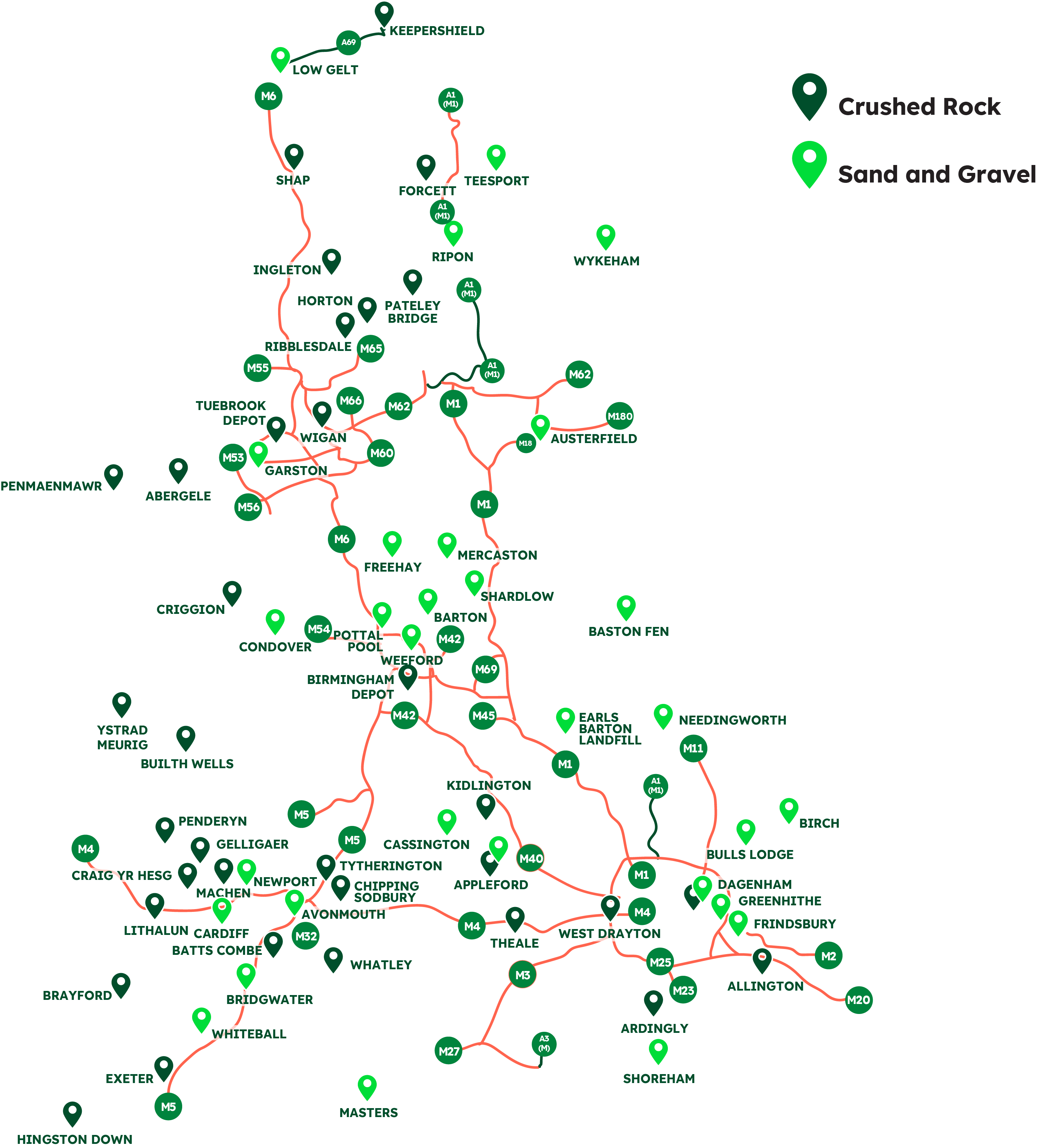
See where our aggregates sales teams are located across the UK and find the contact details of your nearest supplier.
Bulk construction aggregates
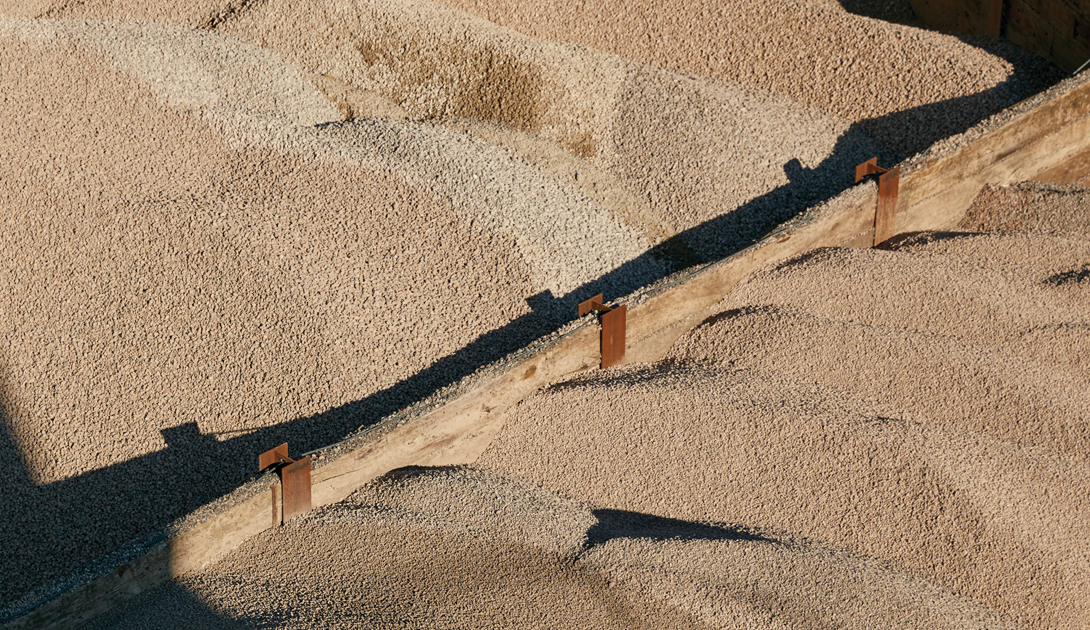
We supply a range of fine and coarse aggregates to the UK’s construction industry. These include crushed rock for a variety of uses, and sand and gravel for use in ready-mixed concrete and precast concrete products.
Marine aggregates
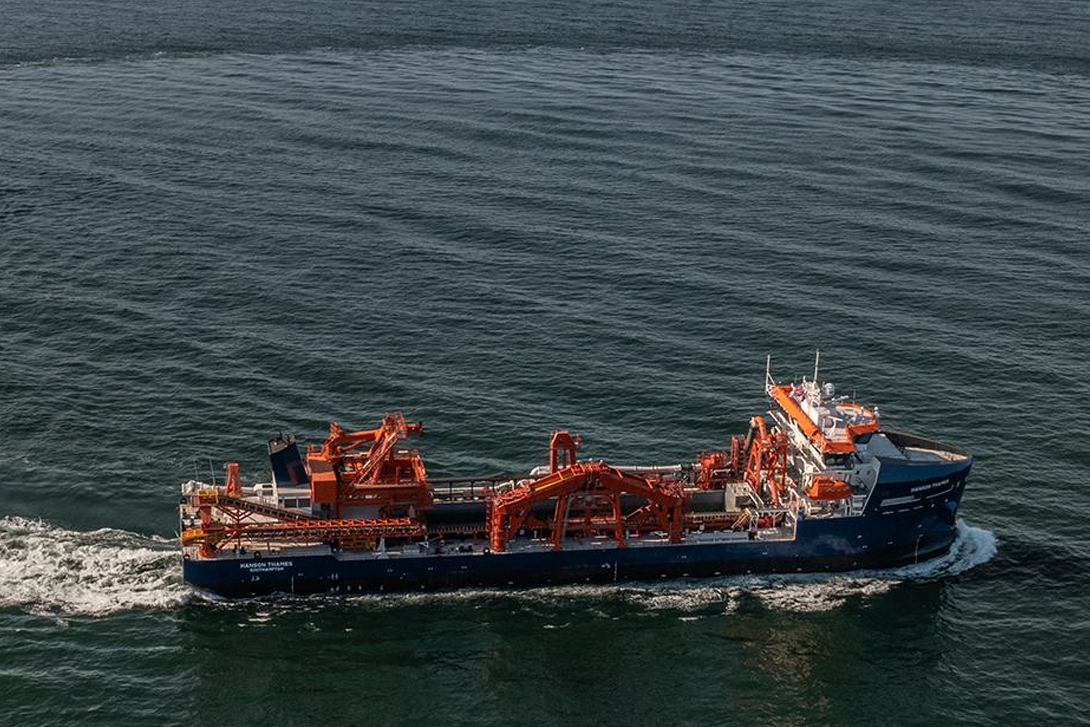
Every year, we supply between 4.5 and 5 million tonnes of marine aggregates to the UK, France and Belgium, supporting a wide range of construction and infrastructure projects across Northern Europe.
Specialist aggregates
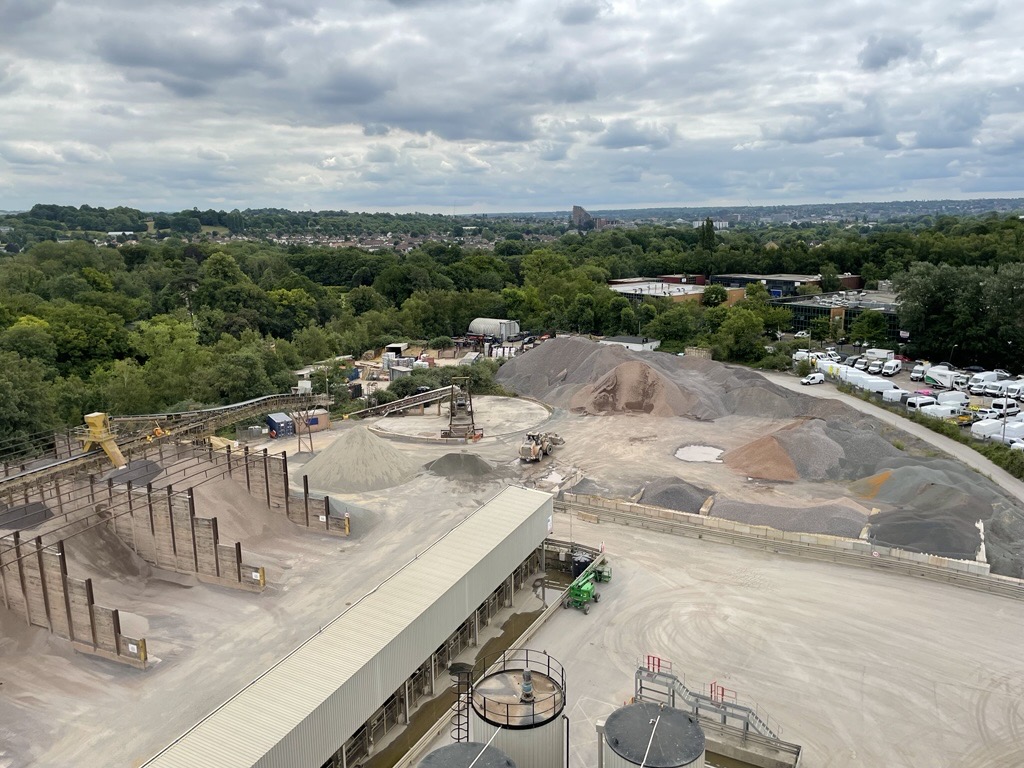
Our range of specialist aggregates are tailored to meet the specific needs of different sectors, including agriculture, rail infrastructure, sports and leisure, food production and industrial manufacturing.
Flood and sea defences
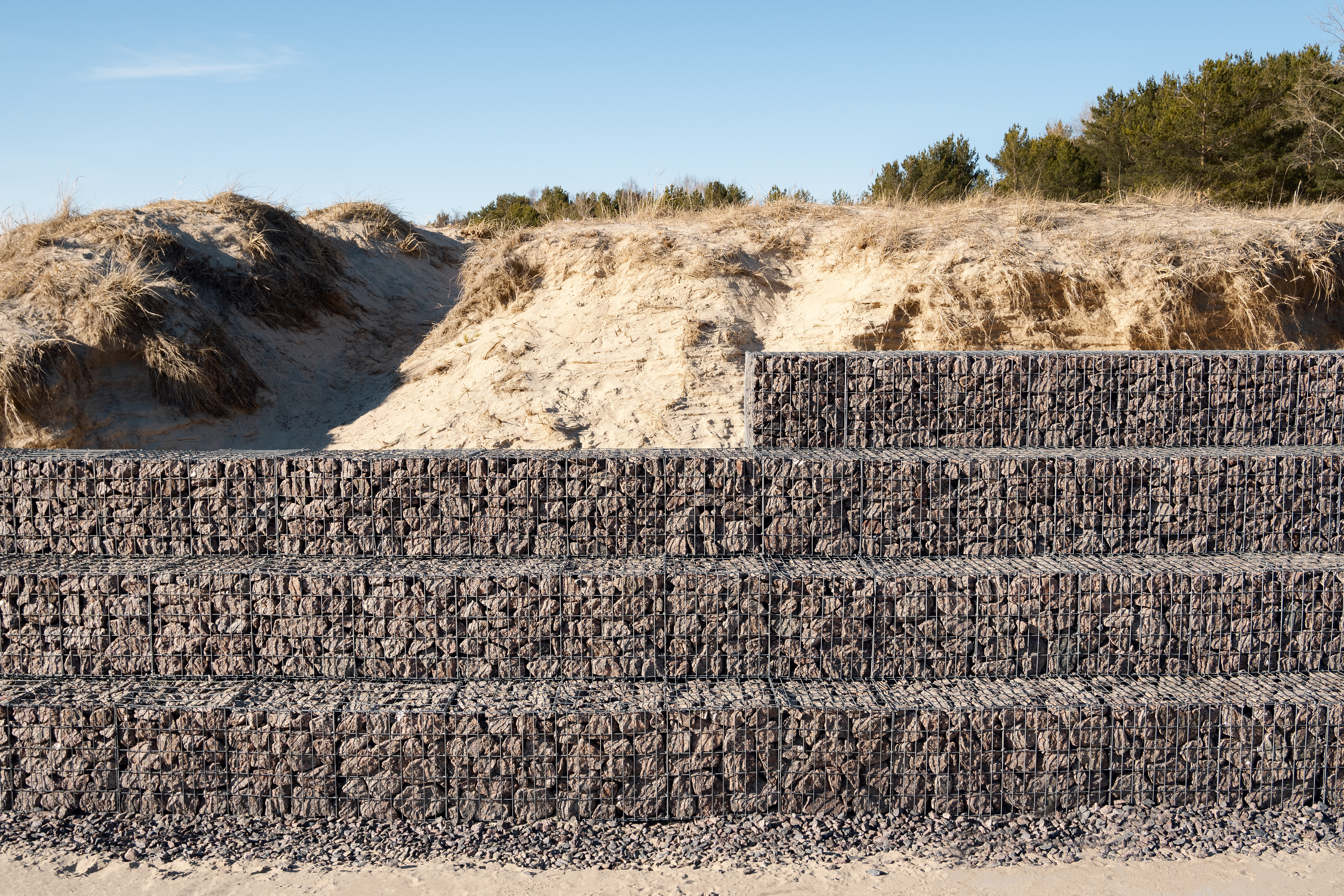
Our specialist range of aggregates for sea and flood defence applications includes rock armour, gabion stones, and SuDS aggregates (Aggflow), all designed to support effective water management and coastal protection.
Bagged aggregates
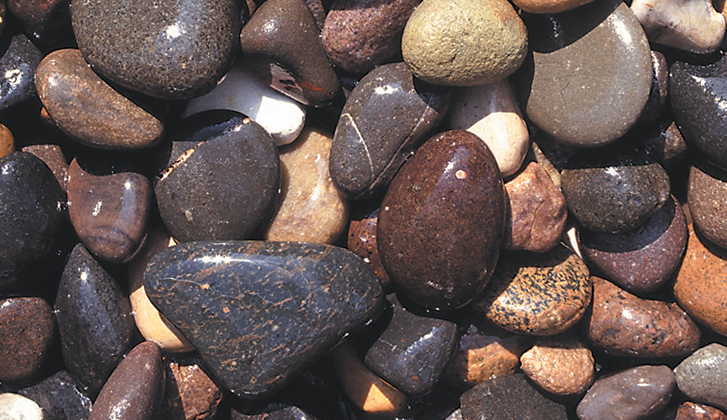
We provide a wide range of bagged aggregates for both construction professionals and domestic projects. Our product range includes bagged decorative aggregates, bagged construction aggregates, and bagged sands, ideal for landscaping, paving, concreting and general building work.
Recycled aggregates
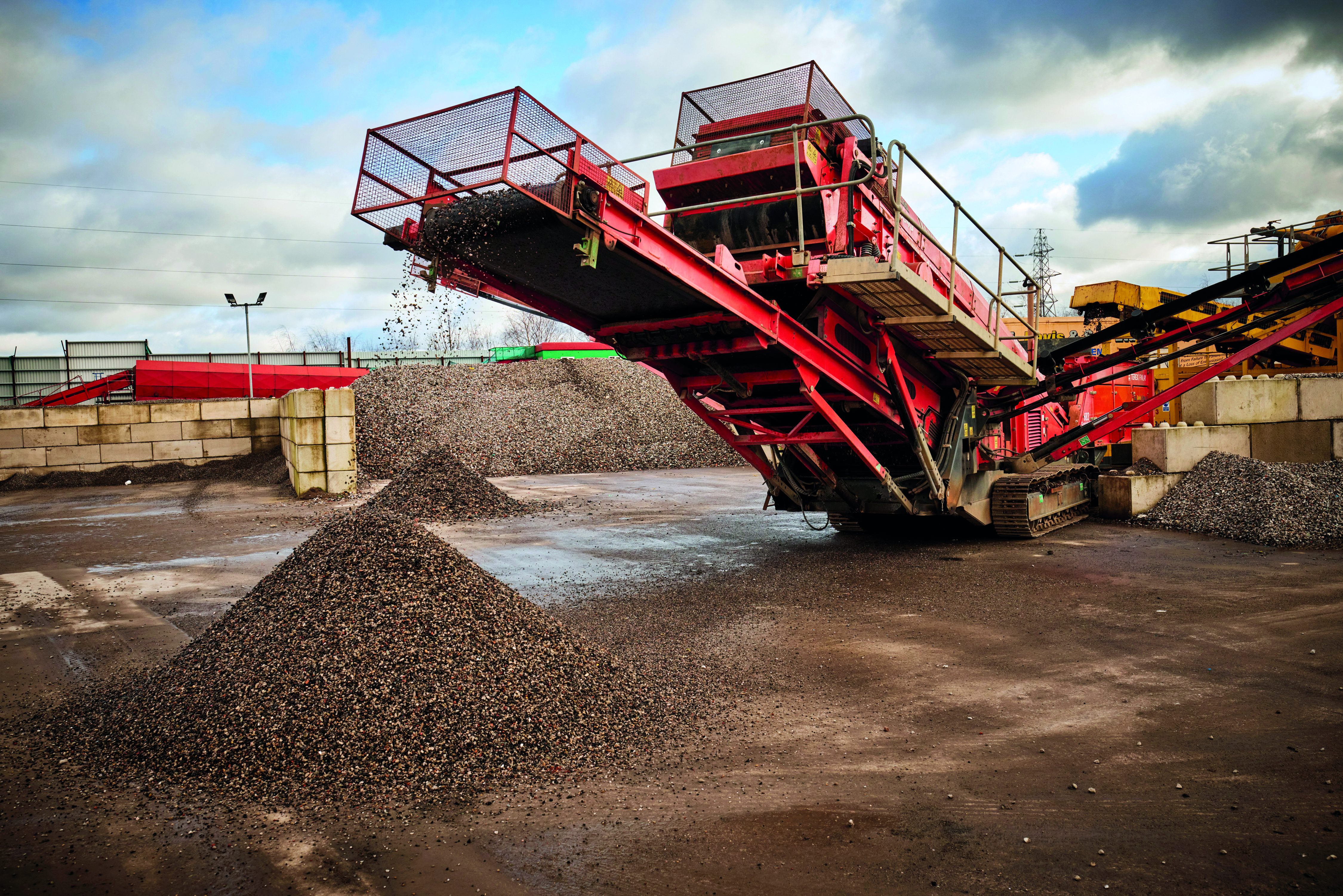
Using construction and demolition waste, we produce, supply, and recycle aggregates for use in road construction, bulk fill, drainage, and general building applications. These sustainable alternatives to primary materials are produced from our nationwide network of recycling depots that process, crush and certify to WRAP protocol .
Agricultural limestone
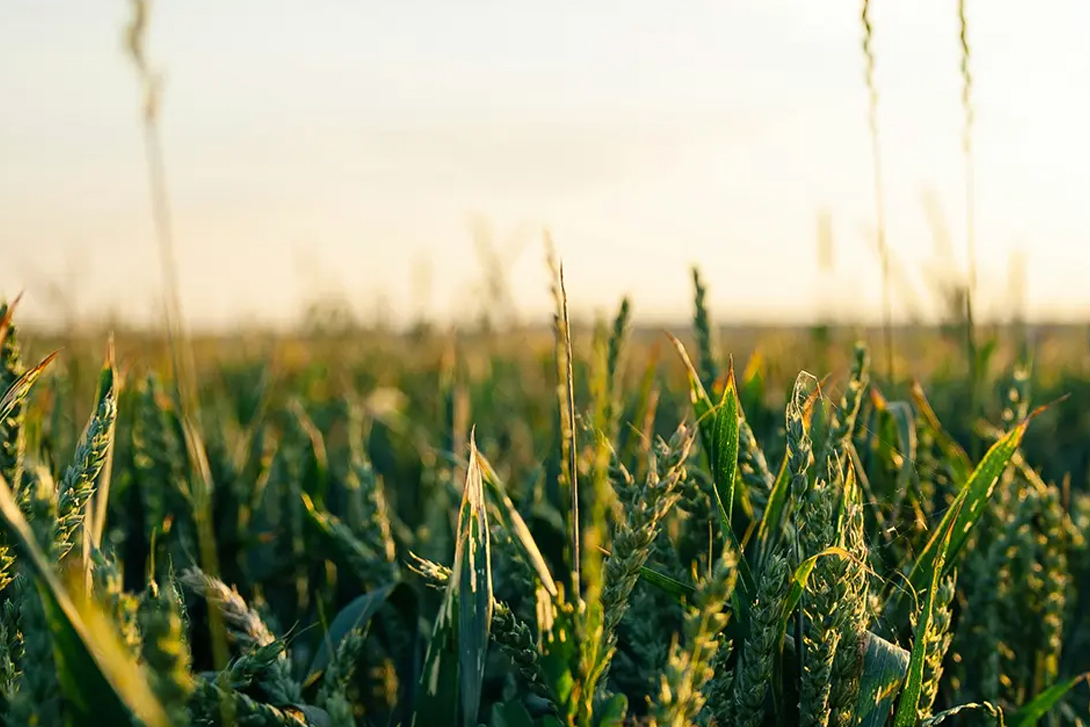
Improve soil health and increase crop yield with our agricultural limestone, which we've specifically engineered to enhance farming activities. We supply AgLime across selected areas of the UK, with delivery and collection options available.
Championing more sustainable aggregates
Heidelberg Materials is committed to sustainability across our aggregates business. Our operations align with our 2030 sustainability commitments and are certified to ISO 9001 , ISO 14001 , and ISO 45001 standards.
Through our recycling centres and production of high-quality recycled aggregates, we’re helping clients reduce waste and improve the sustainability of their projects and supply chains - without compromising performance.

Driving low carbon solutions
Discover how Adrian Hadley is helping lead our low carbon asphalt solutions, driving sustainable aggregate practices, and championing resource recovery through recycled products. Explore how his work is influencing material standards across the UK.
Truck information
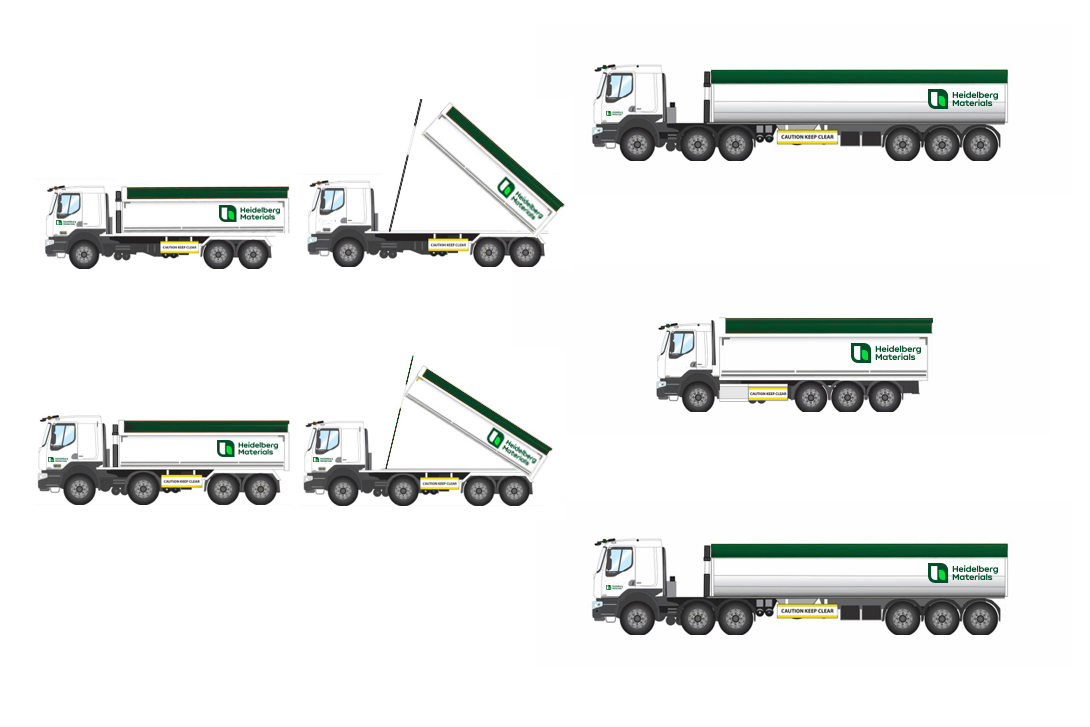
View statistics on our fleet of trucks, including turning circle metres, tipping heights, weights, length, and height.
Nationwide aggregates delivery by road, rail and water
As aggregate suppliers, we deliver construction aggregates around the nation using an integrated logistics network across road, rail and water.
 Nationwide aggregates delivery by road, rail and water
As aggregate suppliers, we deliver construction aggregates around the nation using an integrated logistics network across road, rail and water.
RoadOur core road fleet consists of 1,200 liveried trucks, primarily operated by self-employed owner-drivers under a structured franchise scheme to ensure reliable and flexible bulk aggregate delivery.
 Rail
RailWe’re among the UK’s largest users of rail freight for aggregates, transporting over 2.5 million tonnes of material annually. Aggregates are moved from seven rail-connected loading points to 12 regional distribution depots using a dedicated fleet of locomotives and wagons.
 Water
WaterIn addition, we use barge transport to supply production facilities located along the River Thames, supporting sustainable and efficient marine aggregate distribution.
Contact details
North East
Sales quotes and orders: 0330 123 0760
North West
Sales quotes and orders: 0330 123 0761
Central
Sales quotes and orders: 0330 123 0762
South West
Sales quotes and orders: 0330 123 0763
South Wales
Sales quotes and orders: 0330 123 0763
South East
Sales quotes and orders: 0330 123 4722
Aggregates FAQs
What are aggregates, and how are they made?
Aggregates are materials that have been crushed into different sizes for use across the construction sector.
If they are extracted from quarries and pits, they’re known as primary aggregates. If they’ve been manufactured or are a by-product of an industrial process (e.g. blast furnace slag), they’re classed as secondary aggregates. Materials that have been repurposed from construction or demolition waste into aggregates are also secondary aggregates, known as recycled aggregates.
In all cases, the materials are crushed into smaller pieces and then screened into different sizes and qualities to ensure they’re suitable for a range of applications. Some aggregates undergo an extra step: washing. This removes impurities to make sure the aggregate has the desired qualities and performance levels for use.
What are the different types of aggregates?
Aggregates are classified as either ‘coarse’ or ‘fine’.
Coarse aggregates are produced from materials that have been crushed and screened to be greater than 4mm. They are typically 20mm or larger.
Fine aggregates are usually smaller than 4mm in diameter. They’re the smallest construction aggregate and include sand and crushed rock fines.
Heidelberg Materials Aggregates produces and distributes both coarse and fine aggregates, as well as other types. These include:
- Crushed rock
- Sand and gravel
- Recycled aggregates
Scroll up to see our full range of aggregates. For support choosing the right aggregate for your project, please contact our team.
What are the four main types of aggregates?
The four main types of aggregate used in landscaping and construction are:
- Gravel
- Sand
- Crushed rock
- Concrete fill
They vary in material type and size, with each type of aggregate serving a unique purpose within specific applications.
What is Type 1 aggregate used for?
Commonly referred to as ‘MOT Type 1’, Type 1 aggregate is used as a base layer for pavements, roads, drives, trench fills, patios, and a range of other applications. Heidelberg Materials is one of the UK’s largest suppliers of bulk construction aggregates and supplies various sizes of aggregate for a range of core applications, including MOT Type 1 sub base.
How much aggregate do I need?
Work out how much aggregate you need by measuring the length, width, and depth of your project area, then multiplying the numbers to find the volume (in cubic meters). Next, convert the volume into tonnes. To do this, multiply the volume by the aggregate's density - this is approximately 1.5 to 1.7 tonnes per cubic meter, but it’s best practice to ask your supplier.
What aggregates are used in concrete?
Concrete is manufactured from a blend of coarse and fine aggregates, water and cement.
Aggregates used in concrete consist of geological materials such as gravel, sand and crushed rock. Specific aggregates, or combinations of aggregates, are selected for their durability, strength, and ability to achieve specific project outcomes.
What size aggregate should I use for concrete?
The size of aggregate needed will depend on the application the concrete is being used for.
Concrete is produced from a blend of coarse and fine aggregates, cement and water. Typically, the coarse aggregate fraction will comprise of material between 4 and 20mm, either in the form of a single graded aggregate product or a blend of individual sizes supplied to the concrete mixing plant.
Certain applications, such as heavily reinforced structures, may require a smaller nominal sized material for ease of placement around the rebar.
Please contact our team for more guidance on the right size aggregate for your concrete application.
Where to buy aggregates?
You can buy aggregates for both commercial and domestic applications from a reputable aggregate supplier, like Heidelberg Materials.
We produce and supply a variety of loose and bagged aggregates for use across the construction sector and home projects, including:
- Type 1 aggregate
- Crushed stone
- Sand and gravel
Scroll up to browse all aggregates or contact our team for more guidance on the most suitable aggregate for your project.