
Recycled aggregates for sustainable construction

We produce and supply recycled aggregates for more sustainable building projects in the UK. By recovering and reprocessing materials from construction and demolition waste, we reduce the demand for primary resources and help lower the environmental impact of construction. 

Recycled aggregates are a high-performance alternative to virgin materials, and part of our broader commitment to sustainable construction and circular economy practices. They’re all produced to meet WRAP protocol and are suitable for a variety of construction, civil engineering and landscaping applications. 

With strict quality control and an expansive supply network across the UK, recycled aggregates from Heidelberg Materials have the same performance and reliability characteristics as our primary materials.


Types of recycled aggregates we offer 

Our recycled aggregate products are designed to meet the needs of different types of construction projects. All materials are processed at our dedicated facilities and are available in bulk loads for delivery to sites across the UK. 

The range includes, but isn’t limited to, the solutions below. Please contact us for details on all the different types of recycled product we supply. 

Recycled crushed concrete (RCC) 

A durable aggregate made from processed waste concrete. 

Suitable for: 

  • Sub-base material for roads and driveways
  • Capping layers
  • General fill
  • Landscaping 

Advantages: 

  • Strength
  • Load-bearing capacity
  • Cost-effectiveness 

Recycled Type 1 

A well-graded crushed material consisting of blended crushed concrete, brick, and occasionally, asphalt. 

Suitable for: 

  • Road construction
  • Driveways
  • Pathways
  • Foundations
  • Hardstanding areas 

Advantages: 

  • Reliable strength and durability
  • Excellent compaction
  • Highly versatile 

6F5 recycled aggregates 
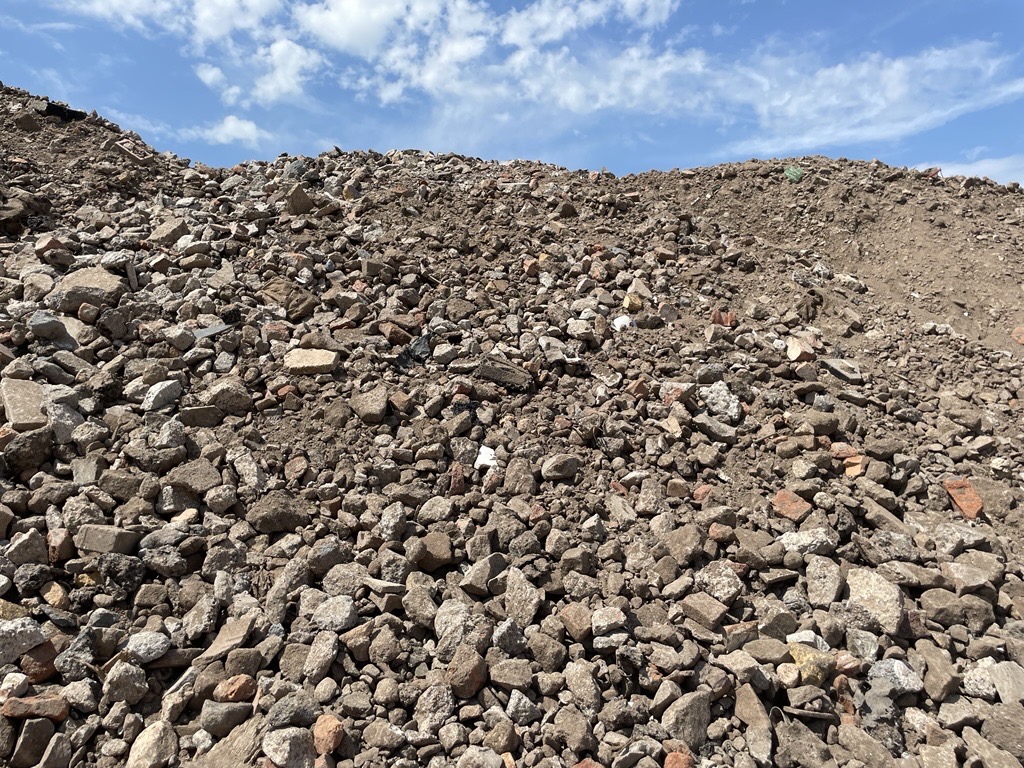
Coarse, granular 0/80mm fill materials made from crushed demolition materials, including concrete, brick, aggregate, and hardcore. 

Suitable for: 

  • Bulk fill
  • Piling mats
  • Temporary access roads
  • Sub-base for roads, car parks, and other paved areas
  • Foundations on soft or damp ground 

Advantages: 

  • Excellent structural performance
  • High load-bearing capacity
  • Cost-effectiveness 

Recycled sand 

A material that reduces the need for quarrying virgin sand, made from materials including crushed concrete, construction waste, and glass. 

Suitable for: 

  • Pipe bedding
  • Concrete and screeding
  • Binding layers
  • General construction
  • Paving
  • Landscaping 

Advantages: 

  • High performance
  • Structurally as reliable as traditional sand
  • Cost-effectiveness 


Environmental benefits of recycled aggregates 

Opting to use recycled products in construction offers more positive environmental impacts than using traditional, virgin materials. 

These include: 

  • Reducing the volume of construction and demolition waste sent to landfill

  • Preserving natural resources and reducing the amount of virgin material quarrying

  • Improving cost-effectiveness
  • Reducing energy use 

Explore the advantages further by reading our article: Benefits of recycled aggregates

Choosing between primary and secondary aggregates 

Please note, the suitability of recycled or virgin aggregates is dependent on the application. We also produce and supply primary aggregates to meet a range of construction and landscaping needs. View information about these products on our aggregates page or contact our team for advice on choosing a primary or secondary material.

Uses and applications of recycled aggregates 

Our recycled aggregates, like recycled MOT Type 1, 6F2 and 6F5 recycled aggregates, are used for numerous activities within the construction sector. Choosing recycled aggregates as an alternative to virgin materials not only supports environmental targets but also offers a cost-effective solution for a wide range of construction needs. 

  • Road construction and maintenance
  • Sub-base and capping layers
  • Drainage and pipe bedding
  • Bulk fill and site levelling
  • Temporary access roads and haul routes
  • Landscaping and non-structural concrete 

Compliance and standards 

If recycled aggregates are to be used as, or in the production of, building and construction materials, they must legally comply with the requirements of British and European standards (in association with the WRAP protocol). It’s essential to declare all properties associated with the standards and relating to the specific end use of the aggregates. 

Heidelberg Materials ensures all the aggregates we produce and supply (primary, secondary, recycled) comply with the appropriate standards. We can also provide certificates, which detail an aggregate’s properties. 

For more information about standards and compliance, please contact us

Our aggregates recycling centres 

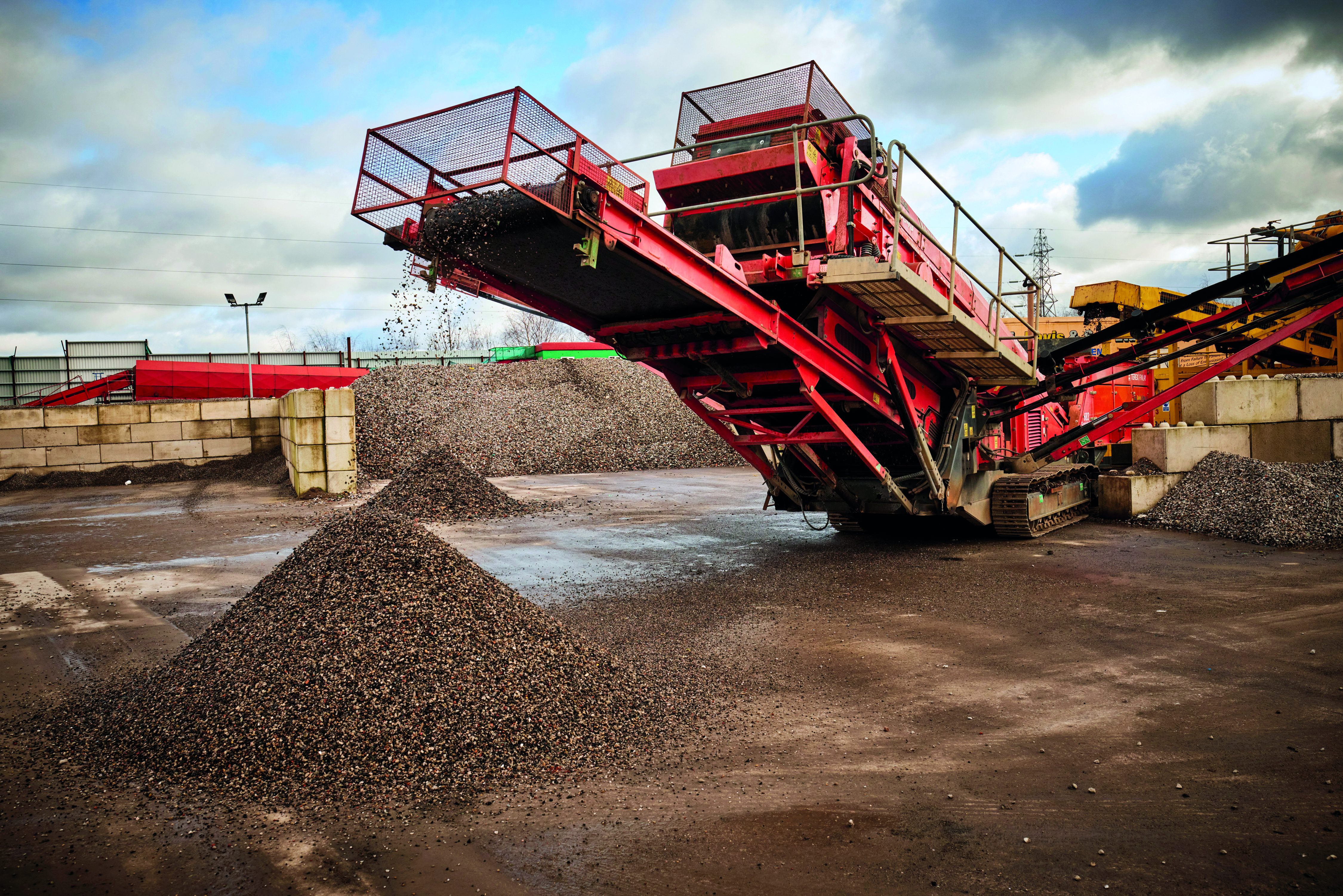
Pile of recycled aggregates at a Heidelberg Materials UK quarry

Tonnes of inert waste are recycled at Heidelberg Materials’ specialist facilities every year. By diverting construction and demolition waste to our recycling centres, we’re helping to reduce the amount that may otherwise end up in landfill. 

At these facilities, we accept construction waste (including concrete, broken bricks, and stones), then wash and sort it to produce high-quality aggregates, which are available to collect or have delivered.

Tip, collect, and go 

At Heidelberg Materials, we’re passionate about ensuring the construction recycling process is simple and easy for you to access.

Simply tip, collect, and go to help our industry reach a more circular and sustainable future.

  1. Tip construction waste.
  2. Collect recycled materials, concrete, and asphalt.
  3. Go!

Head to our aggregates recycling page to learn more about these facilities and our tip, collect, and go service.

Recycled aggregates FAQs

Can recycled aggregates be used in concrete?

Both structural and non-structural concrete can be produced using mixes that include recycled aggregates. According to the Concrete Society, around 165 million tonnes of aggregates are used in concrete annually, with the concrete industry accounting for nearly a third (30%) of the total market for aggregates. Opting to use recycled materials in a concrete mix is a more sustainable and cost-effective substitute than primary aggregates. 

Applications of concrete made with recycled aggregates include: 

  • Walls
  • Foundations
  • Blocks 

The aggregates are usually blended with other materials (like cement and water) to achieve the desired properties, such as strength and durability. To meet quality standards, the recycled materials must be processed, crushed, and washed to remove impurities. Both BS 8500 (standards for concrete) and BS EN 12620 (aggregates for concrete) have improved the potential for use of recycled aggregates in concrete.

How does recycled Type 1 compare to primary Type 1?

Primary Type 1 is quarried from natural rock, whereas recycled Type 1 is made from construction and demolition waste. The recycled material is generally more sustainable and cost-effective than its primary counterpart. 

Both types of aggregate offer high levels of strength and durability, and are widely used across the construction sector. Applications include: 

  • Roads
  • Driveways
  • Patios
  • Hardstandings
  • Paths
Can recycled sand be used in mortar?

Mortar can be produced using recycled sand, which helps to reduce the demand on natural sand resources. To ensure the mortar achieves the desired properties, some adjustments may need to be made to the mixture. For example, replacing the level of natural sand with a higher level of recycled sand. 

It’s important to note that recycled sand tends to have higher water absorption, so a water reducer (like a plasticiser) may need to be added to enhance the mortar’s flowability. 

Please speak to our technical team to understand the suitability of recycled sand for your project.

Are recycled 6F5 aggregates suitable for road construction?

Recycled 6F5 aggregates can be used in capping layers for road construction. These aggregates have high levels of strength and load-bearing, and can be a more cost-effective alternative to virgin materials. The material must be overlaid with a Type 1 sub-base material or cement bound granular material (CBGM), then asphalt can be laid on top to form the road surface.

How can using recycled aggregates reduce construction costs?

Recycled aggregates in the UK are usually sourced or produced in areas where redevelopment (and other construction activities) occurs. Given how close the materials are to their end use, numerous cost savings can be made, such as those related to haulage. 

On the other hand, primary aggregates tend to be sourced from all over the country, increasing the need for, and cost of, transport and logistics.

What quality standards do recycled aggregates need to meet?

Construction and demolition waste intended for processing into recycled aggregates must undergo acceptance testing to meet stringent quality standards. 

At Heidelberg Materials, we ensure that all of our aggregates (recycled, primary, and secondary) comply with the appropriate British and European Standards. In addition, we offer certificates detailing the properties of the aggregate. Contact us to learn more about the standards our products meet.

Please complete your full name
Preferred method of contact

For information about the processing of your data, please read our privacy policy.

Recycled aggregates

Recycled aggregates play an important role in decarbonising the construction industry. 

Our ‘Benefits of recycled aggregates’ article has everything you need to know about recycled aggregates, including where they’re sourced from, how they’re made, suitable applications, and environmental advantages.

Benefits of recycled aggregates

Area sales map 

See where our aggregates sales teams are located across the UK and find the contact details of your nearest supplier.

Aggregate area sales map

Truck information

Illustration of Heidelberg Materials branded tipper and haulage trucks in different loading and tipping positions, with green and white livery.

View statistics on our fleet of trucks, including turning circle metres, vehicle heights, tipping heights, max weights, and more.

Truck information

Which aggregate is right for your construction application? 

Understand the different types of construction aggregates and which is best for your project by reading our guide.

Guide to construction aggregates