Our Policy

We drive decarbonisation and provide low-carbon products

Headline KPIs

CO2 and energy​
  • Reduce scope 1, 2 and 3 emissions in line with Heidelberg Materials  Group SBTi.​
  • CCS plant at Padeswood to be operational and feasibility studies  for Ketton and Ribblesdale.
  • Reduce scope 1 emissions from UK operations by 15% from  2016 baseline.​
  • Reduce CO2 by 15% in concrete, asphalt and cement from  2019 baseline.
  • Reduce scope 3 emissions in delivery transport by 15% from  2019 baseline.​
Sustainable revenue​
  • Achieve 50% of our gross revenue from sustainable products  that are either low-carbon or circular.

Enabling and supporting KPIs

CO2 and energy​
  • 85% clinker incorporation in our cement.
  • Alternative fuel rate in cement above 80%.
  • Biomass fuel rate in cement above 35%.
  • Measurement framework for scope 3 emissions embedded by 2025  and 10% reduction to 2030.
  • 10% reduction in operational electrical kWh/t from a 2016 baseline.
  • Net zero plans in all divisions developed to include targets for  scope 1, 2 and 3.

Our Progress

Click to expand
CO2 and energy
Our headline CO2 and energy commitmentsOur progress
Reduce scope 1, 2 and 3 emissions in line with Heidelberg Materials Group SBTiHeidelberg Materials Group’s 2030 carbon reduction targets have been validated by SBTi under its new 1.5 °C framework and we have set specific UK targets that will contribute towards achieving these ambitions.
CCS plant at Padeswood to be operational and feasibility studies carried out for Ketton and Ribblesdale

Further progress has been achieved in our plans for carbon capture plant at Padeswood with the signing of a FEED contract and the UK Government confirming its financial commitment to CCS clusters.

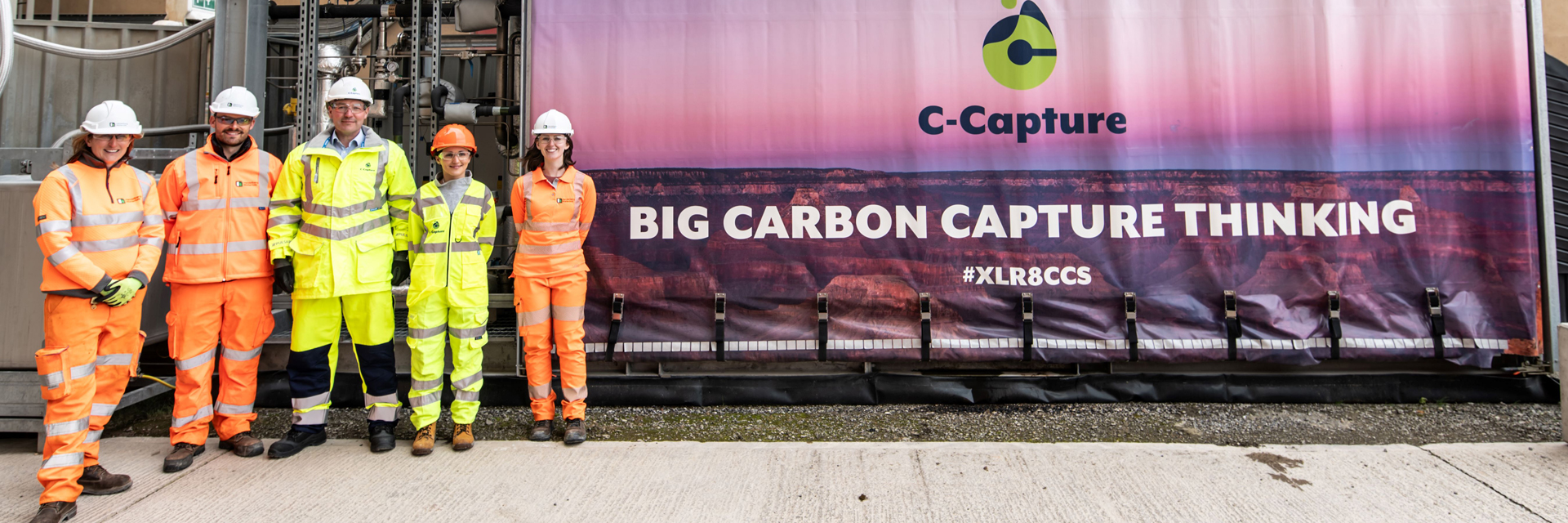
A trial of C Capture’s solvent-based CCS solution was also carried out at Ketton.   

Reduce scope 1 emissions from UK operations by 15% from 2016 baseline​The carbon impact of our operations for Scope 1 emissions is down 11.5% from 46.2kgCO2/tonne in 2016 to 40.89kg CO2/tonne in 2024.
Reduce CO2 by 15% in concrete, asphalt and cement from 2019 baseline

The sum of scope 1 and 2 CO2 emissions per tonne of cement is down 12.7% from 2019 baseline.

We published updated EPDs for our bulk cements and 9 standard ready-mixed concrete mixes, updating the EPDs published in 2018. Bulk CEM I showed an 11% reduction and the concrete mixes a reduction of between 8% and 24% from 2018 EPDs.

The embodied carbon of asphalt, calculated using EPD methodology, has reduced by 7% from the 2019 baseline. 

Reduce scope 3 emissions in delivery transport by 15% from 2019 baseline

Total delivery transport CO2 emissions/tonne are down 4.5% from the 2019 baseline.

Due to increased use of third party hauliers, scope 3 transport emissions have increased by 4.8%.

This assumes that the split of owned and third party hauliers was the same in 2019 as it was in 2022, which was the first time the split data was collected.  


Our supporting CO2 and energy commitmentsOur progress
85% clinker incorporation in own cementFrom the UK KPI report clinker incorporation in our own grey cement is 86.9%, up from 86.5%.
Alternative fuel rate in cement above 80%From the UK KPI report energy derived from alternative fuels is 79.8%. 
Alternative raw materials represented 12.7% of total in cement production.
Biomass fuel rate in cement above 35%Energy derived from biomass was 26.4%.
Measurement framework for scope 3 emissions embedded by 2025 and 10% reduction to 2030A detailed Scope 3 assessment was carried out in partnership with Schneider Electric, establishing the foundation for our measurement framework and enabling a targeted approach to our most significant scope 3 carbon sources.
10% reduction in operational electrical kWh/t from a 2016 baselineElectrical energy kWh/t is down 10.7% from a 2016 baseline.
Net zero plans in all divisions developed to include targets for scope 1, 2 and 3We continue to update and progress our net zero plans in all divisions, with the objective to be net zero by 2050.

Further CO2 and energy measuresOur progress
% clinker incorporation in total cementitiousClinker incorporation in total cementitious is 62.9%, up from 56.1% in 2023.
Scope 2 CO2 (market based) as percentage of overall electricity usage and per tonne of productWe continue to use a zero carbon tariff where we are directly responsible for the supply. 
0.8% of our electricity was not on a zero-carbon tariff.
Percentage of electricity generated from renewable sourcesElectrical energy generated from renewable solar energy is 2.4% of the total electrical energy consumed.
Percentage of product deliveries by road, rail and sea

Percentage of product tonnage moved by road was 76.5%, by rail was 22.6% and by sea was 0.9%.


KgCO2/tonne for total cementitious materialTotal cementitious material was 429kg CO2/tonne of cementitious material, down 5.4% from 453.7kg CO₂/tonne in 2023.

Further emissions to air measuresOur progress
G/t clinker of SOx and NOxSOx was 167.9g/tonne of clinker and NOx was  1,256.6g/tonne of clinker.
Percentage of cars and vans that are EV/hybrid as part of overall fleet40% of the car fleet is EV and 56% is hybrid, up from 24% EV and 55% hybrid in 2023.

Sustainable revenue
Our headline sustainable revenue commitmentsOur progress
Achieve 50% of our gross revenue from sustainable products that are either low carbon or circularThe percentage of gross revenue from sustainable products in 2024 was:
Cement: 27% (low carbon)
Concrete: 76% (low carbon)
Aggregate: 0.4% (circular)
Asphalt: 16.8% (circular)

Net zero in action

Another milestone reached at Padeswood

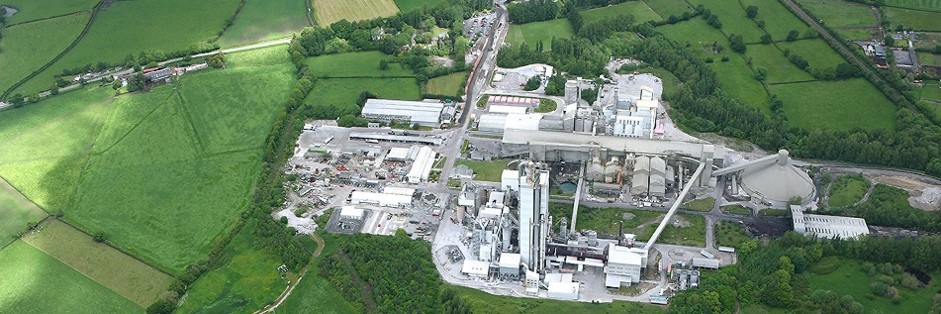
We signed a front-end engineering and design contract with Mitsubishi Heavy Industries and Worley for a carbon capture plant at our Padeswood cement works in north Wales. It marked another milestone in our plans to create the UK’s first cement works, which received a further boost when the UK Government reaffirmed its commitment to CCS cluster projects in October.

Read more

New global brand for low carbon and circular products
Introducing evoBuild, our global brand for low-carbon and circular products

We introduced evoBuild, our new global brand for low carbon and circular products in the UK, which will help to set new standards for sustainable building materials. 

Read more

New study to test feasibility of using ammonia as a hydrogen fuel source
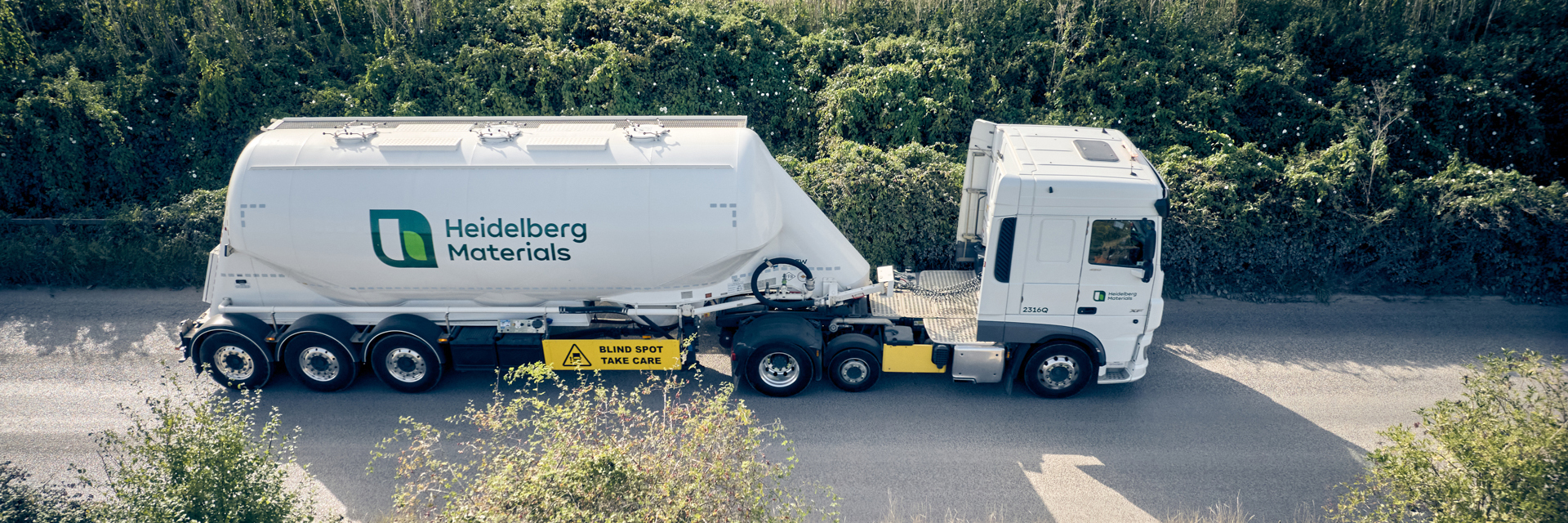
Heidelberg Materials UK cementation truck

A 12-month project began at our Ribblesdale cement works to establish the feasibility of using ammonia as a source of hydrogen for use as a fuel in cement kilns. 

Read more

Solvent-based carbon capture trial completed
New carbon capture trial at Ketton cement works

A carbon capture feasibility and demonstration study at our Ketton cement works was completed in 2024. The trial is part of C-Capture's national XLR8 CCS project, which aims to demonstrate that its carbon capture solution can be used in hard-to-abate industries. It uses a solvent to selectively capture CO₂, which can then be compressed and sent for storage in safe, geological reserves or used in other areas such as the fertiliser and oil and gas industries. Findings of the trial will be published in 2025.

Read more

Fuel switching project looks to decarbonise asphalt production

Our involvement in the Bay Hydrogen Hub, a demonstrator project using hydrogen to decarbonise asphalt production at our Criggion plant in mid Wales, continued. A feasibility study conducted in 2023 explored replacing fossil liquid fuels with low-carbon hydrogen. Following its success, the project progressed to the construction in 2024, and trials are planned in 2025.

Let’s Talk Sustainability event
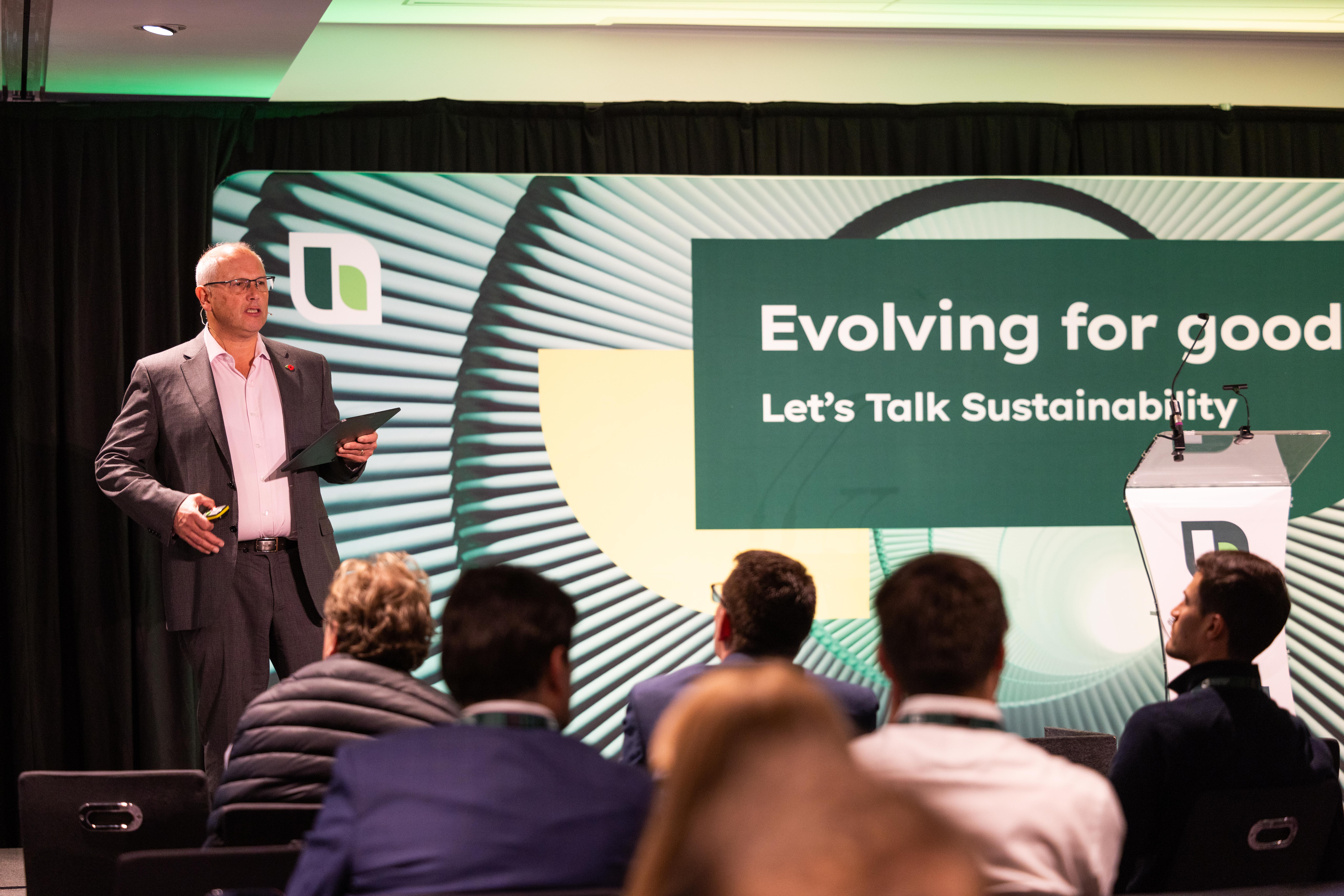
Simon Willis opening talk at 2024 Let's Talk Sustainability Evolving for goodevent

We continued our Let’s Talk Sustainability series with an in-person event attended by more than 100 key customers. It was an opportunity to highlight the challenges in achieving net zero and demonstrate our progress to date. 

Read more